
Kinon III F=5cm Hugo Meyer & Co Gorlitz Projector Lens Test and Bokeh Review

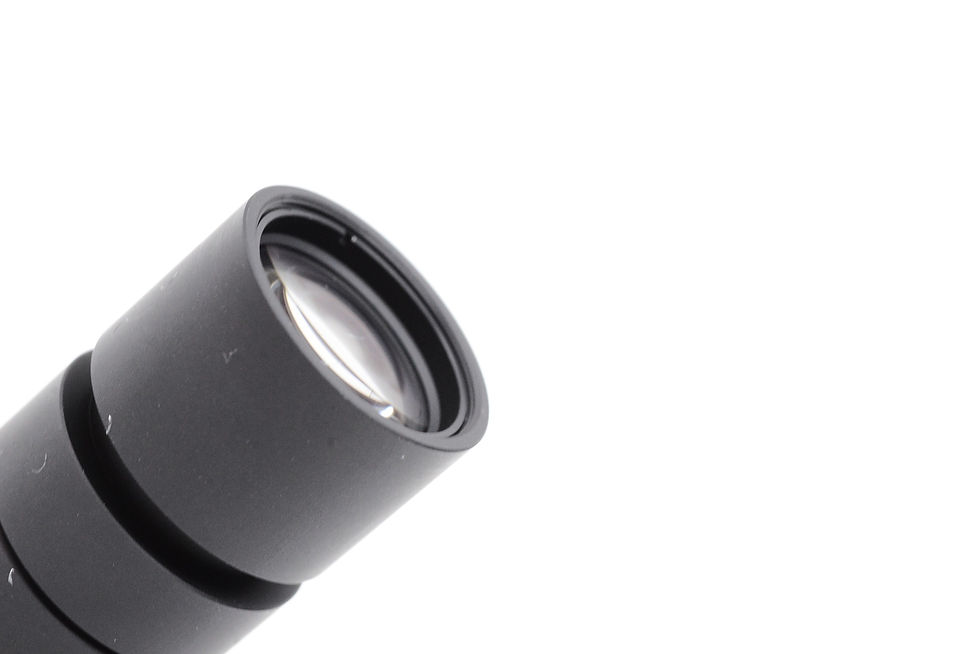
Kinon III F=5cm Hugo Meyer & Co Gorlitz Projector Lens
Want to own this lens? |
The vintage lens that we're going to test for bokeh and character in this post is yet another one of the Hugo Meyer & Co Gorlitz series. This time it's a F=5cm Kinon III, but not from the Superior family. As we discussed in the previous posts, the Kinon Superior series, while produced simultaneously with the Kinon types, are top-tier projector lenses which were used for more professional devices and had better corrective elements. There is, unfortunately, not many documents remaining about these markings used on Meyer Gorlitz projector lenses. These lenses were mostly manufactured before WWII, which resulted in the division of Germany into two blocs. Since the city of Gorlitz was located in the eastern part of Germany, Meyer Gorlitz was subject to the sovereignty of Eastern Germany, and it was merged into a larger state-owned optical group called VEB Pentacon later in the 1960s and 70s. In the meantime, production was done in numerous factories that may have used the same blueprints but with different brandings and markings, causing confusion among modern-day enthusiasts trying to figure out the differences between the varieties of these lenses. There's, of course, the prevalent idea that marks I, II, and III may show the progression of the lenses and development of the industry behind it that resulted in better coatings and higher correction of flaws. The modern-day enthusiasts, on the other hand, are looking for more flaws that can create unique characteristics and artistic touches in photography.
This lens, too, comes with minor dust inside, but otherwise the elements are scratch-free and pristine. Color images are taken with this lens mounted on a mirrorless Nikon Z7 set on vivid colors, and the infrared imagery is taken by another Z7 that is modified for 830nm infrared photography.
Color Still Shots and Bokeh
A quick look at the color still shots shows that the lens in general has the same characteristics of the Meyer Gorlitz projector lens series: sharp in the center, shallow depth of field, bubble, swirly bokeh, increasingly oval bokeh coins and less sharpness towards the edges. It seems that this lens gives a higher contrast than the Mark I variety of the same focal length, but the existence of the same effects on the bokeh and sharpness in the edges may mean similar elements with a more advanced coating on this one.
Kinon III F=5cm Hugo Meyer & Co Gorlitz Projector Lens Bokeh Kinon III F=5cm Hugo Meyer & Co Gorlitz Projector Lens Bubble Bokeh Kinon III F=5cm Hugo Meyer & Co Gorlitz Projector Lens Bokeh Kinon III F=5cm Hugo Meyer & Co Gorlitz Projector Lens Bokeh Kinon III F=5cm Hugo Meyer & Co Gorlitz Projector Lens Bokeh Kinon III F=5cm Hugo Meyer & Co Gorlitz Projector Lens Bokeh Kinon III F=5cm Hugo Meyer & Co Gorlitz Projector Lens Swirly Bokeh
Black and White Photography
The black-and-white photos below demonstrate a touching contrast, especially in the foreground, which creates a certain atmosphere in the shots with hard light. The black-and-white photography can probably be the best feature of this lens.
Kinon III F=5cm Hugo Meyer & Co Gorlitz Projector Lens Black and White Photo Kinon III F=5cm Hugo Meyer & Co Gorlitz Projector Lens Black and White Photo Sample Kinon III F=5cm Hugo Meyer & Co Gorlitz Projector Lens Black and White Photo Kinon III F=5cm Hugo Meyer & Co Gorlitz Projector Lens Black and White Photo Kinon III F=5cm Hugo Meyer & Co Gorlitz Projector Lens
Infrared Flare
As you can see in the infrared video and shots below, all things considered, this lens creates a unique flare effect that stands out among its peers. The traces of the dust inside the lens is, nevertheless, visible in the video below.

Knon III F=5cm Hugo Meyer & Co Gorlitz Projector Lens Infrared Video Flare Kinon III F=5cm Hugo Meyer & Co Gorlitz Projector Lens Infrared Photography Kinon III F=5cm Hugo Meyer & Co Gorlitz Projector Lens IR Flare Kinon III F=5cm Hugo Meyer & Co Gorlitz Projector Lens Infrared Flare
Flare in Color Photos and Videos
Take a moment to see the beautiful flare that this lens creates; the rays of sunlight and the rainbow spectrums.

Kinon III F=5cm Hugo Meyer & Co Gorlitz Projector Lens Flare in Video Kinon III F=5cm Hugo Meyer & Co Gorlitz Projector Lens Flare in Color Shots Kinon III F=5cm Hugo Meyer & Co Gorlitz Projector Lens Flare in Color Photography Kinon III F=5cm Hugo Meyer & Co Gorlitz Projector Lens Sun Flare in Photography Kinon III F=5cm Hugo Meyer & Co Gorlitz Projector Lens Sun Ray Flare Photo
Color Videography
The swirliness of the bokeh and the vignetting are more visible in the movement of the camera in the videos below.

Kinon III F=5cm Hugo Meyer & Co Gorlitz Projector Lens Video Sample 
Kinon III F=5cm Hugo Meyer & Co Gorlitz Projector Lens Video Sample
Black and White Videography
The black-and-white videos below successfully convey the sense of the films of the silent era.

Kinon III F=5cm Hugo Meyer & Co Gorlitz Projector Lens Black and White Video 
Kinon III F=5cm Hugo Meyer & Co Gorlitz Projector Lens Black and White Video


Comments