
Kinon Superior I F=5cm Hugo Meyer & Co Gorlitz Projector Lens Test and Bokeh Review

Updated: May 11
Kinon Superior I F=5cm Hugo Meyer & Co Gorlitz Projector Lens
Want to own this lens? |
The next projector lens that we decided to test and review for bokeh quality and character is yet another lens from the same line. This time, it's a Kinon Superior mark I F=5cm Hugo Meyer & Co Gorlitz, produced sometime in the 1920s and 1930s for 16mm motion picture projection. This lens, too, comes with its own marks of fungus and dust inside, which are natural for a nearly 100-year-old projector lens. The Kinon Superior series lenses were top-tier, fast ones compared to those without this marking, and, like other projector lenses, lack aperture blades, so we take photos and videos with the widest f-stop available.
As always, the color and black-and-white photos and videos are taken on a Nikon Z7 set on vivid colors, and infrared images are taken with another 830nm modified infrared Nikon Z7 camera. The results are minimally edited to preserve the effect of the lenses.
Color Still Shots and Bokeh
The image this lens creates covers the whole area of the 35mm sensor of a full-frame mirrorless camera, but still, vignetting is considerable, and the background is swirly. The bubble bokeh becomes oval towards the edges of the image, while the shift of focus is smooth, the depth of field is considerably, but not overly, shallow, and the background is beautifully separated from the foreground. Like the previous similar lenses, the center of the image is sharp, and the swirliness of the bokeh adds to the character of this lens.
Kinon Superior I F=5cm Hugo Meyer & Co Gorlitz Projector Lens Bokeh and Test Photo Kinon Superior I F=5cm Hugo Meyer & Co Gorlitz Projector Lens Sample Photo Kinon Superior I F=5cm Hugo Meyer & Co Gorlitz Projector Lens Bokeh Sample Kinon Superior I F=5cm Hugo Meyer & Co Gorlitz Projector Lens Bokeh Sample Kinon Superior I F=5cm Hugo Meyer & Co Gorlitz Projector Lens Swirly Bokeh Kinon Superior I F=5cm Hugo Meyer & Co Gorlitz Projector Lens Bubble Bokeh
Black and White
Although some believe that the contrast that these projector lenses offer doesn't suit black-and-white photography, you can see in the shots below that, after very minimal editing, the black-and-white photos are sharp and high-contrast, while the beautiful bokeh makes the result unique.
Kinon Superior I F=5cm Hugo Meyer & Co Gorlitz Projector Lens Black and White Photo Kinon Superior I F=5cm Hugo Meyer & Co Gorlitz Projector Lens Black and White Photo Sample Kinon Superior I F=5cm Hugo Meyer & Co Gorlitz Projector Lens Black and White Photo Sample Kinon Superior I F=5cm Hugo Meyer & Co Gorlitz Projector Lens Black and White Swirly Bokeh Kinon Superior I F=5cm Hugo Meyer & Co Gorlitz Projector Lens Bokeh
Infrared
The infrared, or as some like to call it, deep black-and-white photos, provide an elevated contrast compared to the normal black and white, and preserves the same characteristics of bokeh.
Kinon Superior I F=5cm Hugo Meyer & Co Gorlitz Projector Lens Infrared Photo Kinon Superior I F=5cm Hugo Meyer & Co Gorlitz Projector Lens infrared swirly bokeh Kinon Superior I F=5cm Hugo Meyer & Co Gorlitz Projector Lens infrared photo sample Kinon Superior I F=5cm Hugo Meyer & Co Gorlitz Projector Lens infrared photo bokeh Kinon Superior I F=5cm Hugo Meyer & Co Gorlitz Projector Lens infrared photo Kinon Superior I F=5cm Hugo Meyer & Co Gorlitz Projector Lens infrared photo sample Kinon Superior I F=5cm Hugo Meyer & Co Gorlitz Projector Lens infrared photo Kinon Superior I F=5cm Hugo Meyer & Co Gorlitz Projector Lens deep B&W Photo Sample
Flare
Color Shots
Whether it's because of the elements, coating, or the dust and fungus of this lens, the flares are spectacular. Sun rays leave an interesting effect on the still shots, and I can say that by far this one offers the best flare character among the ones we have tested so far.
Kinon Superior I F=5cm Hugo Meyer & Co Gorlitz Projector Lens Flare Photo Sample Kinon Superior I F=5cm Hugo Meyer & Co Gorlitz Projector Lens Flare and Bokeh
B&W
Although in black-and-white photography, the rays are not colorful, the flare remains eye-catching and characteristic.
Kinon Superior I F=5cm Hugo Meyer & Co Gorlitz Projector Lens Black and White Flare Kinon Superior I F=5cm Hugo Meyer & Co Gorlitz Projector Lens Black and White Flare Kinon Superior I F=5cm Hugo Meyer & Co Gorlitz Projector Lens Black and White Flare
Infrared
The same holds true for infrared flare. However, as you can see in the only video below, changing the angle of sunlight magnifies the impact of dust and minor fungus on the lens. The photos remain characteristic.
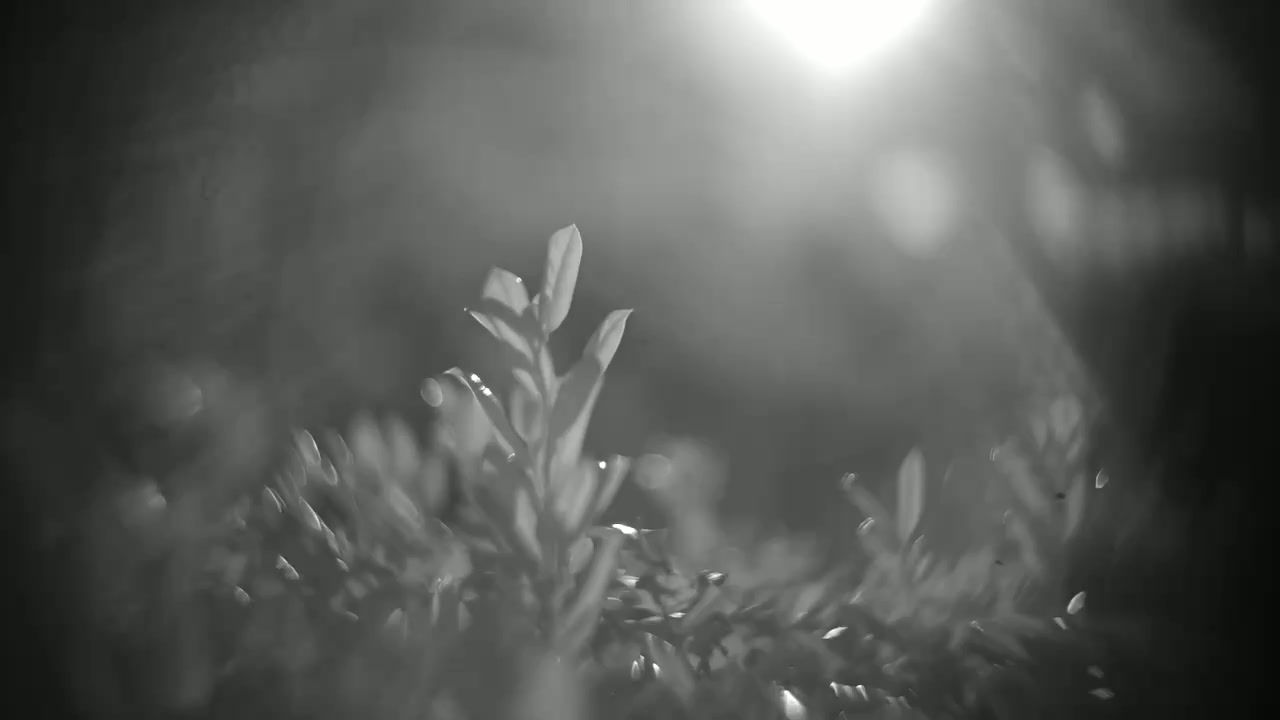
Kinon Superior I F=5cm Hugo Meyer & Co Gorlitz Projector Lens Infrared Flare Kinon Superior I F=5cm Hugo Meyer & Co Gorlitz Projector Lens Infrared Flare Kinon Superior I F=5cm Hugo Meyer & Co Gorlitz Projector Lens infrared flare
Videos
Color
The vignetting effect of this lens becomes more visible in movement and in videography. Bokeh remains the same.

Kinon Superior I F=5cm Hugo Meyer & Co Gorlitz Projector Lens color video sample 
Kinon Superior I F=5cm Hugo Meyer & Co Gorlitz Projector Lens color video sample
Infrared
Here are the infrared videos taken by this lens. Note how otherwordly these videos are.
Kinon Superior I F=5cm Hugo Meyer & Co Gorlitz Projector Lens infrared video sample 
Kinon Superior I F=5cm Hugo Meyer & Co Gorlitz Projector Lens infrared video sample 
Kinon Superior I F=5cm Hugo Meyer & Co Gorlitz Projector Lens infrared video sample 
Kinon Superior I F=5cm Hugo Meyer & Co Gorlitz Projector Lens infrared video sample


Comments