
Laack Anastigmat 1:2.5 f=7.5cm Ihagee Projector Lens Review and Test

Ihagee Anastigmat 1:2.5 f=7.5cm Laack Projector Lens
Want to own this lens? |
The fifth lens we'll review in our blog is yet another one manufactured in Germany in roughly the same era. When you first glance at the nameplate of this vintage projector lens, you might be forgiven for seeing a “Jhagee” where an “Ihagee” should be. This stylistic quirk, a relic of early 20th-century German typography where the capital "I" and "J" were often indistinguishable, is the first hint that you’re dealing with a piece of history. Specifically, this Ihagee Anastigmat 1:2.5 f=7.5cm is a product of the late 1930s, manufactured around 1938 by the renowned optics house Julius Laack Söhne. Originally designed to power the Ihagee Simplex-Diaskop slide projector, this lens has survived the pre-war era to find a second life in the hands of modern mirrorless photographers.
What makes this lens particularly compelling for a modern review isn't just its pedigree, but its soul. Built on a classic Cooke Triplet optical formula, it lacks the sterile perfection of modern glass, instead offering a signature "bubble bokeh" and a center-sharp, edge-soft glow that digital sensors usually can't replicate. Stripped of the "Rathenow" city marking often seen on Laack lenses, this specific version feels like a utilitarian tool built for the singular purpose of projection, yet it carries the distinct optical character that vintage enthusiasts hunt for today. In this review, we’ll see if this 80-year-old relic can still hold its own when adapted to the high-resolution demands of modern digital photography.
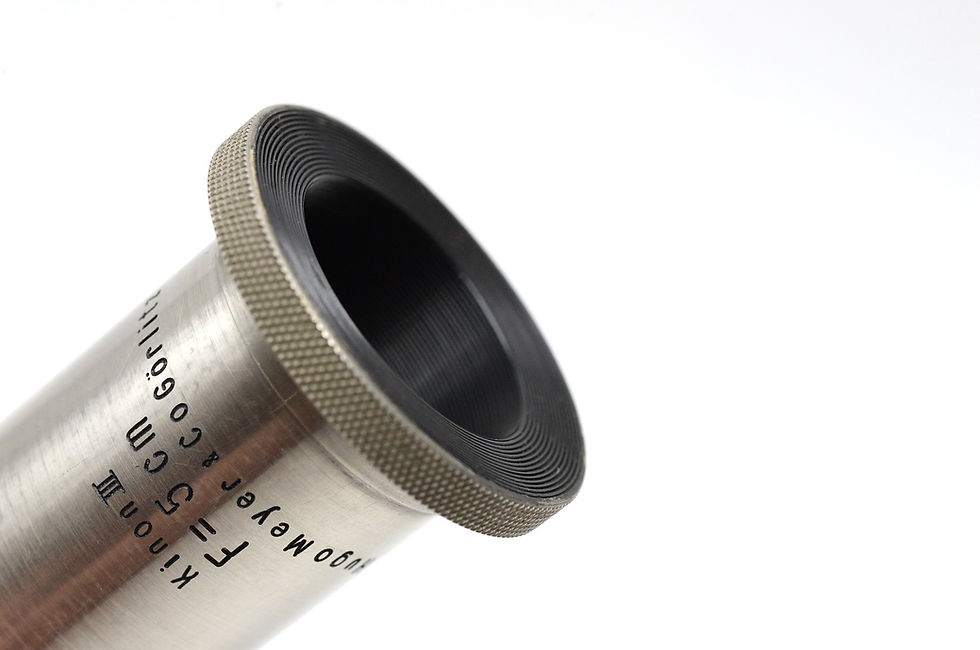
As you can see in the photos above, this particular one comes with its fungi and dust inside, which will, hopefully, add to its character and make it even more unique. Same as before, we used a Nikon Z7 mirrorless digital camera for color and black and white imagery, and another Nikon Z7, which is 830nm modified, for infrared photography.
Color Still Shots
As you see in the color still shots below, the result is a perfect bubble - or bubbly - bokeh. The wide-open 2.5 aperture creates a very interesting bokeh in the background. Out-of-focus light sources, or shiny reflectors, create very sharp bubbles in the background. In the video chapter, you will see that the transition of the bubbles as the light sources slide in the background creates unique lights. In addition, the bubbles barely change shape towards the sides of the image and remain almost perfectly rounded, on the contrary to most of the previous lenses we tested. The separation of the subject from the background is pretty smooth until in the vicinity of the focused area, and soon becomes sudden after the zone of focus. Straight lines, such as tree trunks and branches, gain a halo around them, as the bubbly effect repeats itself over the line.
Laack Anastigmat 1:2.5 f=7.5cm Ihagee Projector Lens Photo Bokeh Laack Anastigmat 1:2.5 f=7.5cm Ihagee Projector Lens Bubble Bokeh Laack Anastigmat 1:2.5 f=7.5cm Ihagee Projector Lens Image Bubbly Bokeh Laack Anastigmat 1:2.5 f=7.5cm Ihagee Projector Lens Bokeh Laack Anastigmat 1:2.5 f=7.5cm Ihagee Projector Lens Photo Sample Laack Anastigmat 1:2.5 f=7.5cm Ihagee Projector Lens Photos Laack Anastigmat 1:2.5 f=7.5cm Ihagee Projector Lens Photos Laack Anastigmat 1:2.5 f=7.5cm Ihagee Projector Lens Photos Laack Anastigmat 1:2.5 f=7.5cm Ihagee Projector Lens Bokeh Photos
Black and White Still Shots
The same effects are visible in black and white photography. Bubble bokeh, hazy straight lines (which remind me of times when I try to see a forest without my glasses on), and better sharpness in the middle.
Laack Anastigmat 1:2.5 f=7.5cm Ihagee Projector Lens Black and White Photo Laack Anastigmat 1:2.5 f=7.5cm Ihagee Projector Lens B&W Photo Laack Anastigmat 1:2.5 f=7.5cm Ihagee Projector Lens black and white bokeh Laack Anastigmat 1:2.5 f=7.5cm Ihagee Projector Lens black and white photo Laack Anastigmat 1:2.5 f=7.5cm Ihagee Projector Lens black and white photo sample Laack Anastigmat 1:2.5 f=7.5cm Ihagee Projector Lens black and white bubbly bokeh Laack Anastigmat 1:2.5 f=7.5cm Ihagee Projector Lens bubbly bokeh
Infrared Photography
Here are the infrared shots. I don't think there's any need for further discussion of the quality of these shots, as they more or less give the same sense of the black and white photos. That's probably why some people call infrared photography "deep black and white".
Laack Anastigmat 1:2.5 f=7.5cm Ihagee Projector Lens infrared photography Laack Anastigmat 1:2.5 f=7.5cm Ihagee Projector Lens infrared 830nm photo Laack Anastigmat 1:2.5 f=7.5cm Ihagee Projector Lens deep black and white photo Laack Anastigmat 1:2.5 f=7.5cm Ihagee Projector Lens infrared imagery Laack Anastigmat 1:2.5 f=7.5cm Ihagee Projector Lens infrared shot
Flares
You can see the flares down below. The rays of a setting sun of an April spring day shine through the leaves of a tree, and in one instance, break to a rainbow. The flare is much better that I expected, I should admit.

Laack Anastigmat 1:2.5 f=7.5cm Ihagee Projector Lens flare Laack Anastigmat 1:2.5 f=7.5cm Ihagee Projector Lens sun flare Laack Anastigmat 1:2.5 f=7.5cm Ihagee Projector Lens flare Laack Anastigmat 1:2.5 f=7.5cm Ihagee Projector Lens flare shot Laack Anastigmat 1:2.5 f=7.5cm Ihagee Projector Lens flare sample Laack Anastigmat 1:2.5 f=7.5cm Ihagee Projector Lens flare
Videos
Color
Probably the most fascinating part of the bokeh is in the first video, where you can see the bubbles created by the rims of the moving cars. At one instance, one of the bokeh bubbles turns red, creating a very pleasing moment of surprise.

Laack Anastigmat 1:2.5 f=7.5cm Ihagee Projector Lens videography 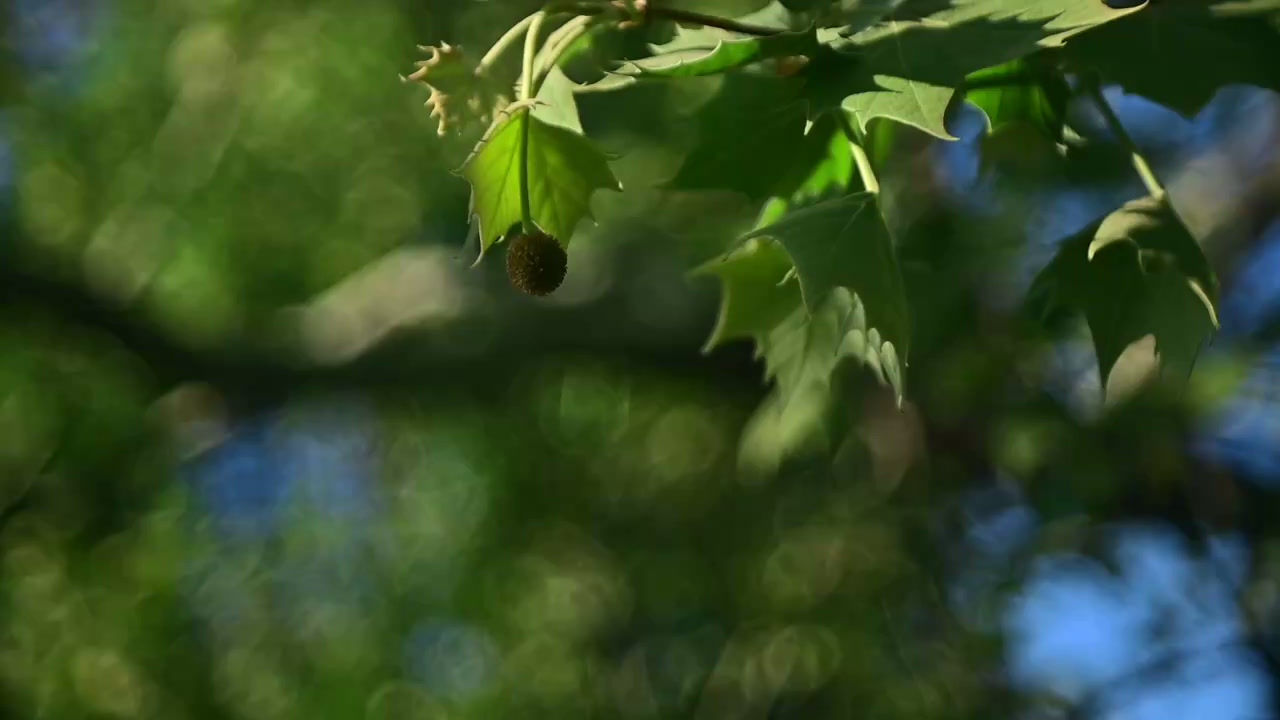
Laack Anastigmat 1:2.5 f=7.5cm Ihagee Projector Lens color video 
Laack Anastigmat 1:2.5 f=7.5cm Ihagee Projector Lens video sample
Black and White Videos
Black and white videos, although slightly dark, have a character of their own. Please note that we edit the photos and videos in the most minimal manner, so the contrast is as the lens creates, especially considering that we don't change the cameras that we use to test these lenses. Therefore, through comparing the results of the tests, you can specifically notice the effect that lenses create.

Laack Anastigmat 1:2.5 f=7.5cm Ihagee Projector Lens black and white video 
Laack Anastigmat 1:2.5 f=7.5cm Ihagee Projector Lens black and white videography 
Laack Anastigmat 1:2.5 f=7.5cm Ihagee Projector Lens B&W video
Infrared Videos
The infrared videos are nevertheless interesting. Go ahead and discover them.

Laack Anastigmat 1:2.5 f=7.5cm Ihagee Projector Lens infrared video sample 
Laack Anastigmat 1:2.5 f=7.5cm Ihagee Projector Lens infrared videography 
Laack Anastigmat 1:2.5 f=7.5cm Ihagee Projector Lens infrared video test 
Laack Anastigmat 1:2.5 f=7.5cm Ihagee Projector Lens infrared video review 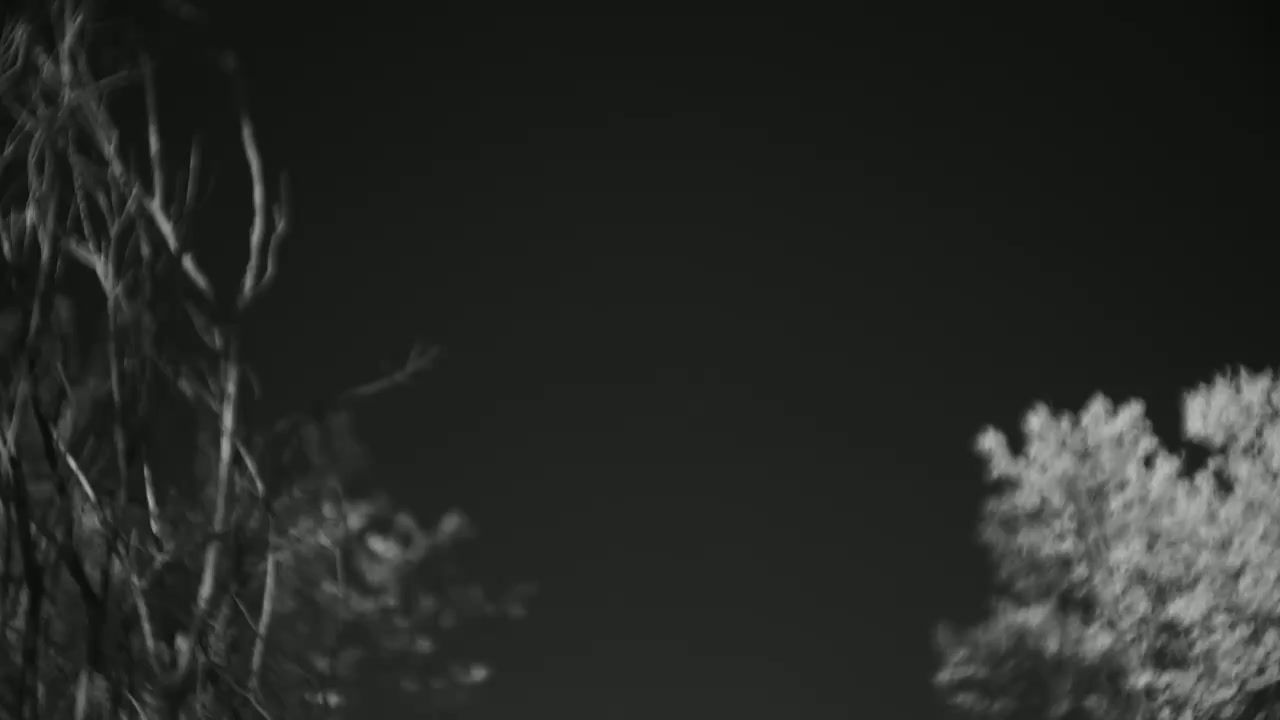
Laack Anastigmat 1:2.5 f=7.5cm Ihagee Projector Lens deep black and white video


Comments