
Vintage Bell & Howell 16mm 2inch f/1.2 Projector Lens Bubble and Swirly Bokeh Test and Review

Bell & Howell 16mm 2inch f/1.2 Projector Lens
Want to own this lens? |
Here we are with another vintage projector lens to test and review for bubbly and swirly bokeh, flare, and whatnot; this time, a Bell & Howell 16mm 2inch f/1.2. The Bell & Howell 16mm 2-inch f/1.2 is a high-speed projection lens made for 16mm projectors, with a focal length around 50 mm and an emphasis on brightness over correction. Production of this lens started in the early years after WWII in the United States, and in other countries like Japan, especially from the 1960s onward, when Bell & Howell shifted parts of its manufacturing to external optical firms. As far as we could find out, this specific sample that we have in hand was produced between 1946 and 1950, and is one of the early models made in the U.S.A. We also have other variations of the same lens that were manufactured in the following years in Japan. These Japanese-made versions often kept the same optical design as the U.S. ones, with differences mainly in barrel materials, coatings, and engraving placement.
Bell & Howell itself, founded in 1907, was a major brand in motion-picture equipment through the mid-20th century, particularly in the spread of 16mm film. At its peak, it also supplied projectors for schools, military use, and industry. However, the company declined in the late 20th century as film projection lost ground to video and digital systems. The original firm was eventually broken up, and the Bell & Howell name survives today mainly as a brand used by other companies rather than as a major manufacturer of optical or film equipment.
In terms of industry position, Bell & Howell was highly influential in cameras and projectors, but not a top-tier optical designer compared to dedicated lens makers like Eastman Kodak, Carl Zeiss, or Angénieux. Their projection lenses, including the 2-inch f/1.2, were practical, widely used, and produced in large numbers.
Before pivoting into the photos and videos we took, I need to mention that the wide f-stop of this lens means a very shallow depth of field, and when mounted on a Nikon Z7 with a helicoid, it turns into a macro lens that allows you to get as close as a couple of inches to your subject, when the depth of field becomes surprisingly low. I will explain more about this phenomenon in the next section.
Color Shots and Bokeh
It gives us a bokeh that is both bubbly and swirly. Like other projector lenses, the image is sharp in the middle and softer on the edges. When focusing on a farther subject, as the lens moves away from the camera sensor, the image becomes smaller, and vignetting becomes maximal, to an extent that the image becomes a circle in the middle of the sensor area. As I mentioned earlier, the helicoid works as an extension tube, making it possible to focus on very close subjects, which makes the depth of field extremely shallow; so shallow that, as you can see below, the lamina of a leaf is in focus, while its midvein is not, and vice versa. It makes focusing very hard, as there's no aperture blade to modify the f-stop, but in the meantime gives an artistic touch to the photos and softens the bokeh.
Bell & Howell 16mm 2inch f/1.2 Projector Lens Bubble and Swirly Bokeh Bell & Howell 16mm 2inch f/1.2 Projector Lens Bokeh Quality Bell & Howell 16mm 2inch f/1.2 Projector Lens Macro Shot Bokeh Bell & Howell 16mm 2inch f/1.2 Projector Lens Color Shot Bell & Howell 16mm 2inch f/1.2 Projector Lens Sample Shot Bell & Howell 16mm 2inch f/1.2 Projector Lens Sample Shot Bell & Howell 16mm 2inch f/1.2 Projector Lens Photo Quality Bell & Howell 16mm 2inch f/1.2 Projector Lens Shallow Depth of Field Bell & Howell 16mm 2inch f/1.2 Projector Lens Swirly Bokeh Bell & Howell 16mm 2inch f/1.2 Projector Lens Bokeh Quality Bell & Howell 16mm 2inch f/1.2 Projector Lens Bokeh Vintage Bell & Howell 16mm 2inch f/1.2 Projector Lens Bokeh Vintage Bell & Howell 16mm 2inch f/1.2 Projector Lens Bubbly Bokeh
Black-and-White Photography
While the depth of field is extremely shallow, contrast is relatively low in black-and-white photography. Nevertheless, the B&W photos have the same dreamy and soft bokeh, without the distraction that mixing colors in the background might create.
Bell & Howell 16mm 2inch f/1.2 Projector Lens black-and-white photo bokeh Bell & Howell 16mm 2inch f/1.2 Projector Lens Bokeh in B&W Photography Vintage Bell & Howell 16mm 2inch f/1.2 Projector Lens Bokeh Test and Review B&W Sample Shot Vintage Bell & Howell 16mm 2inch f/1.2 Projector Lens Black-and-White Sample Shot Bell & Howell 16mm 2inch f/1.2 Projector Lens sample shot Bell & Howell 16mm 2inch f/1.2 Projector Lens Sample Shot in B&W
Flare
The Bell & Howell 16mm 2inch f/1.2 has a minimal, early-era coating that still refracts the direct sunlight, as you can see below. The flare can create at least two arches of eccentric circles, adding to the peculiarity of the photo.
Bell & Howell 16mm 2inch f/1.2 Projector Lens flare quality Bell & Howell 16mm 2inch f/1.2 Projector Lens colorful flare Bell & Howell 16mm 2inch f/1.2 Projector Lens Colorful Flare Bell & Howell 16mm 2inch f/1.2 Projector Lens Flare Bell & Howell 16mm 2inch f/1.2 Projector Lens Flare Bell & Howell 16mm 2inch f/1.2 Projector Lens Flare
Here, you can see the transition of the flare from one angle to another, both in color and monochrome.

Bell & Howell 16mm 2inch f/1.2 Projector Lens Flare in Video 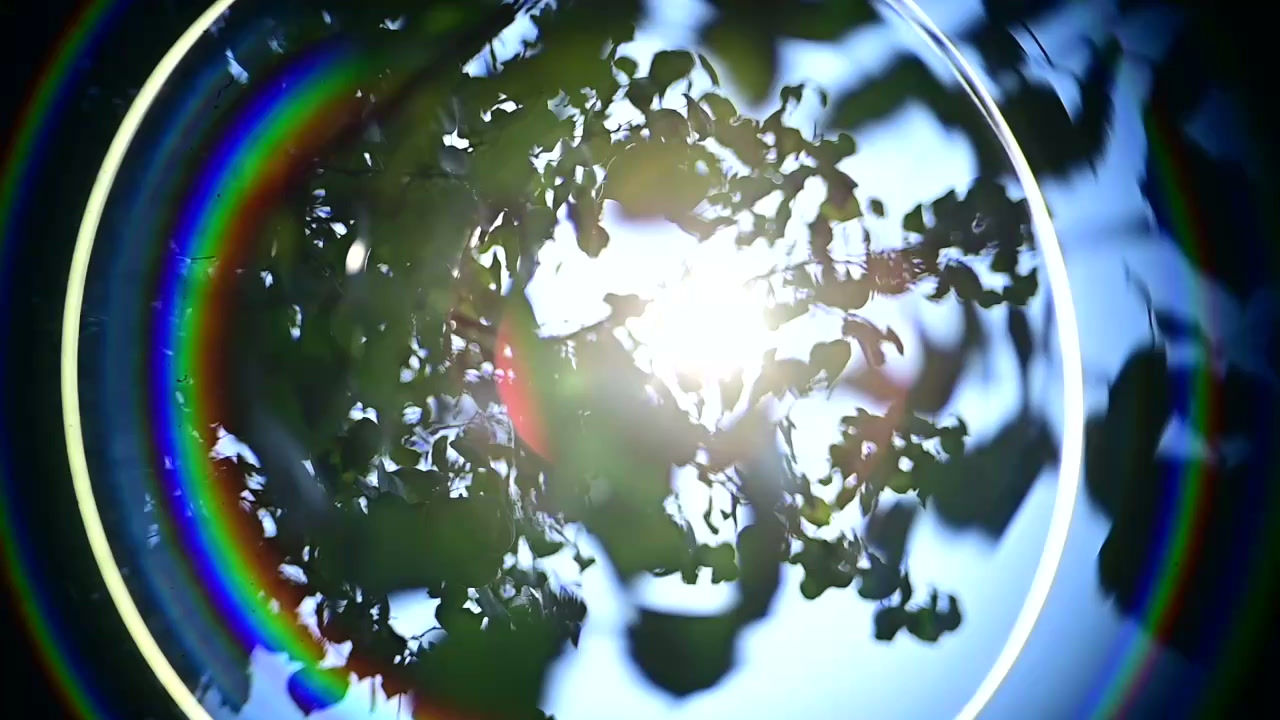
Bell & Howell 16mm 2inch f/1.2 Projector Lens Flare in Video
Videos
I decided to post some videos to show the shallowness of the depth of field in a better fashion. Take a look at the videos below, and don't forget that you can always communicate with us or write us a comment to receive further data and sample shots.
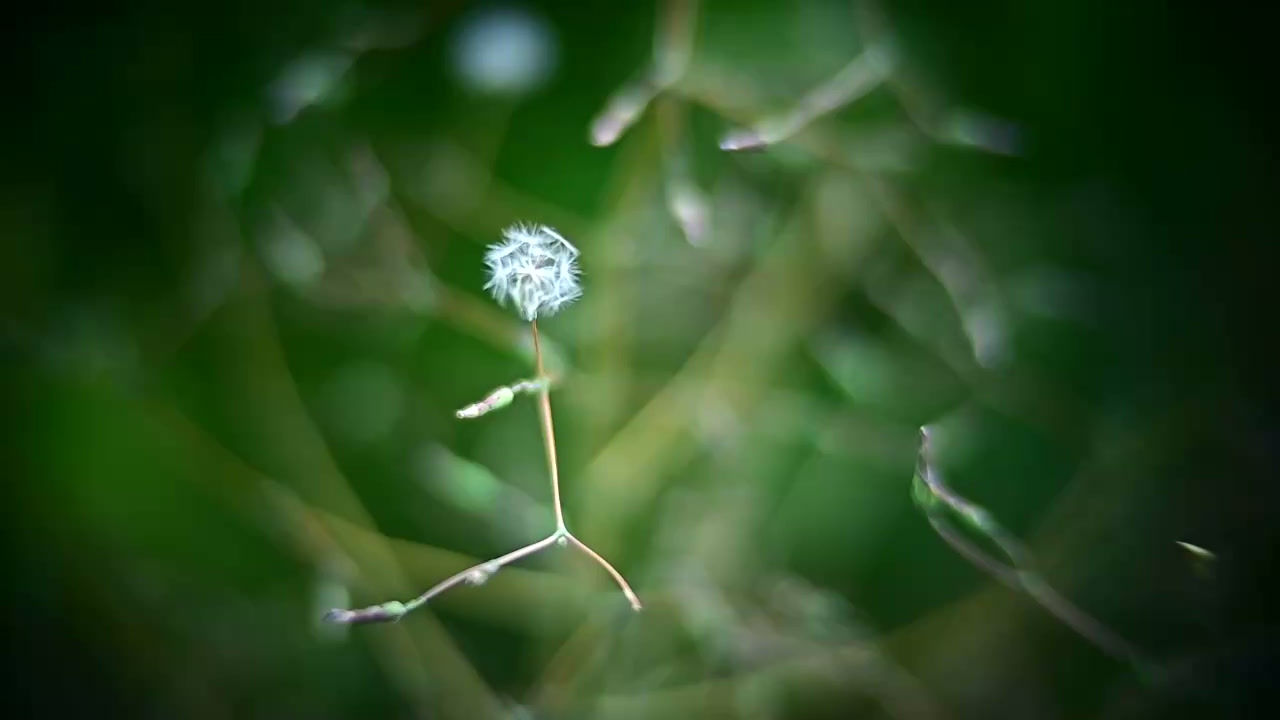
Bell & Howell 16mm 2inch f/1.2 Projector Lens sample video 
Bell & Howell 16mm 2inch f/1.2 Projector Lens sample video 
Bell & Howell 16mm 2inch f/1.2 Projector Lens Sample B&W Video


Comments